Your home is more than just a collection of furniture and walls; it is the foundation of your health and well-being. The concept of Home Living and Healthy goes beyond simply keeping things clean. It’s about intentionally designing and maintaining your living space to actively support your physical, mental, and emotional health. From the air you breathe to the light you see, every element of your house plays a role in your overall vitality.
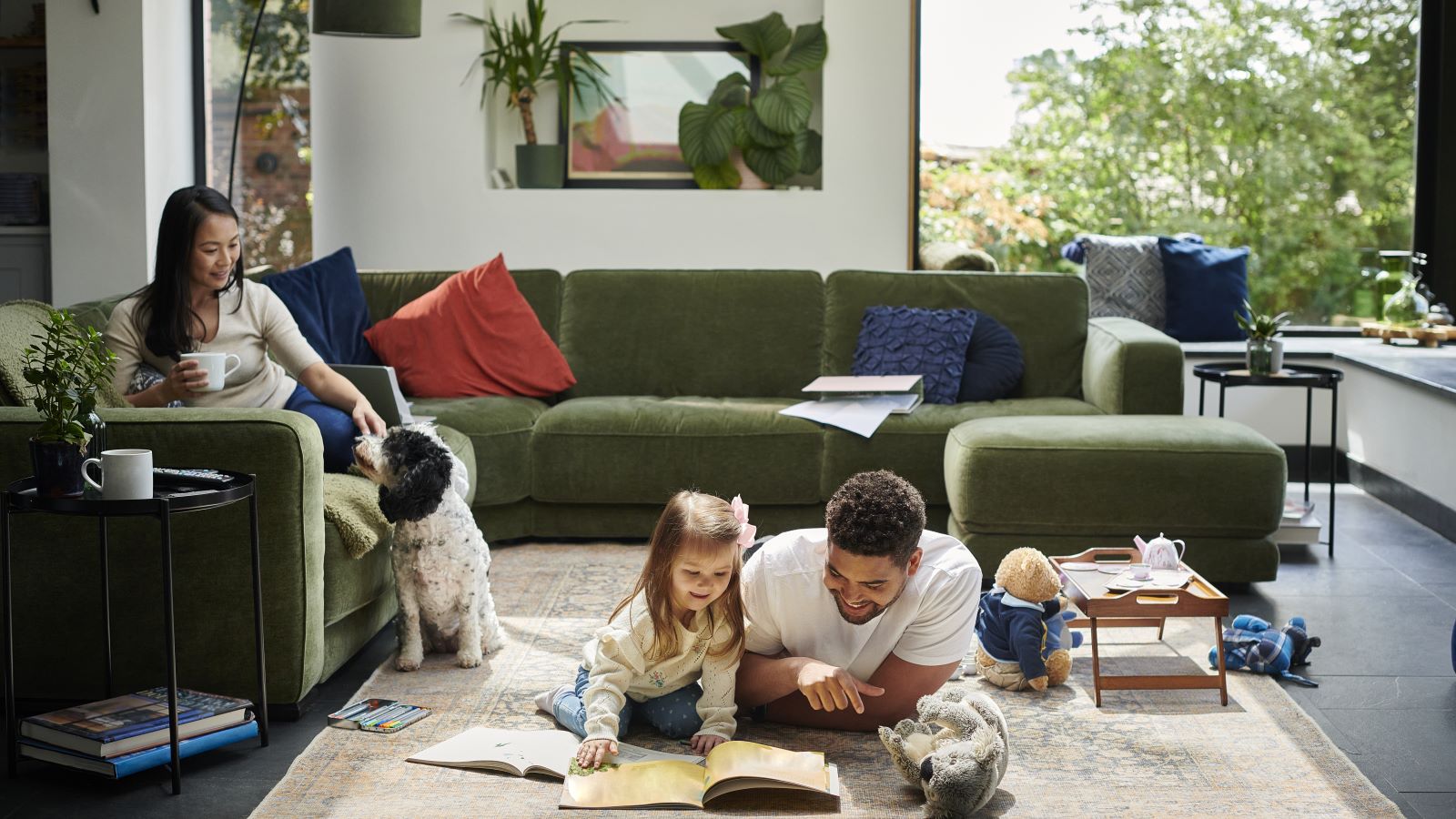
Optimizing your home environment isn’t a luxury—it’s a critical component of a proactive, healthy lifestyle. Here’s a look at the essential strategies for creating a true sanctuary.
1. The Invisible Threat: Prioritizing Air Quality
You can spend up to 90% of your time indoors, making Indoor Air Quality (IAQ) one of the most critical factors for long-term health. Poor IAQ, caused by dust mites, mold, pet dander, and Volatile Organic Compounds (VOCs) from common household items, can lead to respiratory problems, allergies, and fatigue.
Actionable Steps for Cleaner Air:
- Invest in High-Quality Filters: Regularly change your HVAC filters and consider using HEPA air purifiers in bedrooms and main living areas to capture ultrafine particles.
- Embrace Natural Ventilation: Open windows daily, even for a short time, to exchange stale indoor air with fresh outdoor air. Cross-breezes are essential for reducing pollutant buildup.
- Choose Low-VOC Products: When painting, buying new furniture, or cleaning, look for products labeled “low-VOC” or “zero-VOC” to minimize the release of harmful chemicals.
- Introduce Air-Purifying Plants: Certain houseplants, such as Snake Plants and Peace Lilies, can naturally filter common toxins like formaldehyde and benzene, though their impact is minor compared to mechanical filters.
2. Design for the Mind: Light, Clutter, and Serenity
The aesthetic and organizational state of your home directly impacts your mental health and stress levels. Clutter can increase anxiety and reduce focus, while intentional design can promote calmness and productivity.
Creating a Mentally Healthy Environment:
- Maximize Natural Light: Exposure to natural daylight regulates your circadian rhythm, which is vital for sleep quality and mood. Arrange furniture to avoid blocking windows and use sheer curtains.
- Strategic Decluttering: Implement a minimalist approach to keep surfaces clear. A clean, organized space reduces visual noise, helping the brain relax. Everything should have a dedicated place.
- Incorporate Biophilic Design: Bring nature indoors. Use natural materials (wood, stone), introduce plants, and use colors inspired by the natural world (greens, blues, earthy tones) to foster a calming, restorative atmosphere.
- Designated “Unplugged” Zones: Create specific areas—like a reading nook or a meditation corner—where electronics are banned. This promotes genuine relaxation and deeper connection.
3. The Fueling Station: Kitchen and Sleep Optimization
Two of the most impactful areas for health are where you fuel your body and where you rest it. A healthy home prioritizes these spaces.
Focus on Nutrition and Rest:
- The Accessible Kitchen: Design your kitchen to make healthy eating the path of least resistance. Keep fruits and vegetables visible and accessible, and organize pantries to highlight whole foods over processed snacks. A well-designed kitchen encourages home-cooked meals, which are inherently healthier.
- Optimize Your Sleep Sanctuary: Your bedroom should be dark, quiet, and cool. Blackout curtains are vital for reducing light pollution, and a quality mattress and pillow are a non-negotiable investment in your physical health (spine alignment and muscle recovery).
- Technology Blackout: Remove all screens (TVs, phones) from the bedroom at least 30 minutes before sleep to facilitate melatonin production and deeper rest.
4. Movement and Functionality: Encouraging an Active Life
A healthy home encourages movement and doesn’t trap you on the sofa. Your living space should support physical activity, even if you don’t have a dedicated gym.
Integrating Movement into Home Life:
- Ergonomics for Remote Work: For those working from home, a dedicated, ergonomic workstation (adjustable chair, proper monitor height, standing desk) is crucial to prevent chronic back and neck pain.
- Visible Wellness Tools: Keep resistance bands, yoga mats, or small hand weights visible. A subtle reminder can encourage a quick 10-minute stretch or light workout.
- Safe Flooring and Pathways: Ensure clear pathways and safe, easy-to-clean flooring to reduce trip hazards and make regular cleaning easier, contributing to both physical safety and hygiene.
By making these thoughtful adjustments to your living environment, you shift your home from a passive shelter to an active partner in your pursuit of a healthy life. Creating a space that naturally supports vitality, calm, and long-term well-being.