Understanding the Cost to Remodel a House: A Complete Financial and Planning Guide
Remodeling a house is one of the most significant investments a homeowner can make. Beyond modernizing living spaces and improving daily functional layout, a well-planned home renovation enhances structural durability, boosts energy efficiency, and increases overall equity. However, estimating the cost to remodel a house can be complex, as total expenses vary widely depending on square footage, material selections, structural modifications, and regional labor rates.

To plan a financially sound renovation, homeowners must understand the cost drivers, breakdown major project categories, and establish strategies to manage budgets without sacrificing craftsmanship.
Primary Factors Influencing Total Remodeling Costs
No two renovation projects carry the exact same price tag. Understanding the underlying variables that drive costs up or down allows homeowners to align their architectural goals with realistic financial parameters.
Key cost factors include:
- Property Size and Scope: Whole-house renovations are often calculated on a per-square-foot basis. Larger homes require more raw materials,
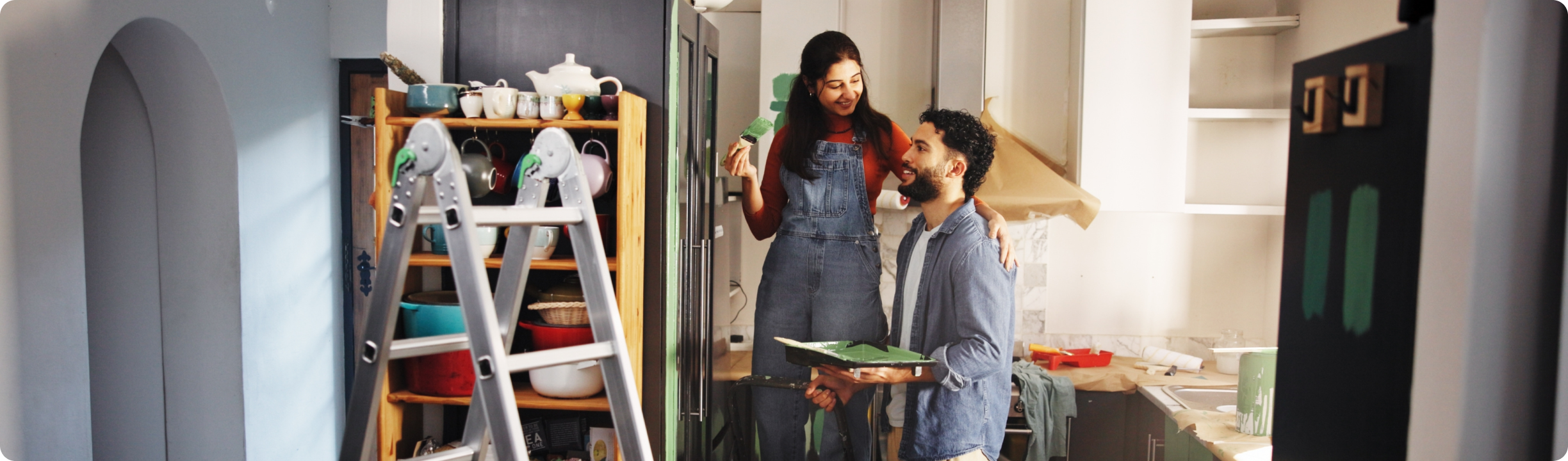

 Investing in real property could be a very lucrative funding if it is executed properly. Replacing previous parts, such as doorways, windows and siding, usually yielded a greater financial return than greater reworking tasks, resembling additions. But actual property agents and remodelers say updated kitchens and baths still carry a big payoff, especially at resale time. The report found that kitchen initiatives yielded a better return than tub projects, with a minor kitchen rework adding 82.7 p.c of the undertaking’s cost back to the house’s worth. Kitchens are essential, Aaron says, as a result of would-be patrons usually overestimate how a lot they might price to update.