The desire for fresh, organic produce has never been stronger, but not everyone has a backyard for a traditional soil garden. Enter hydroponics: a revolutionary gardening method that allows you to grow plants without soil, using only a nutrient-rich water solution. This isn’t just a science experiment; it’s a practical, sustainable, and highly efficient way to bring your garden indoors, regardless of your living space.
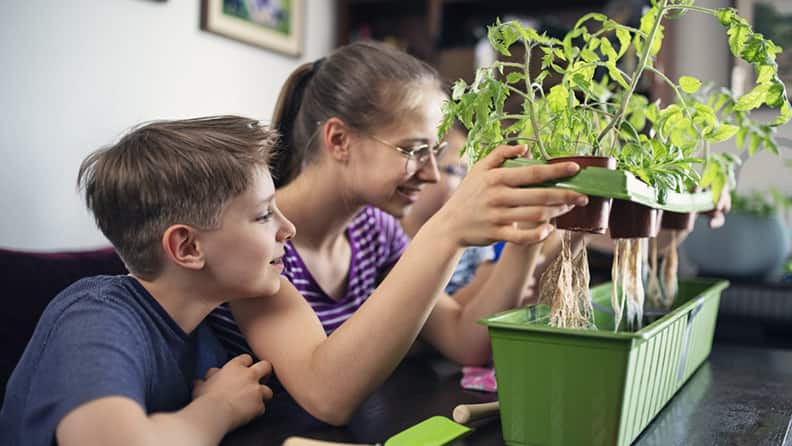
Starting a hydroponics system at home may seem daunting, but with the right guidance, it can quickly become a rewarding hobby that yields year-round harvests of vibrant vegetables and herbs. This guide breaks down the why and how of setting up your own soilless sanctuary.
Why Choose Hydroponics Over Soil Gardening?
Hydroponic systems offer several compelling advantages that make them superior to conventional gardening, especially in urban or indoor settings.
Key Benefits of Home Hydroponics:
- Faster Growth: Plants in hydroponic systems grow up to 30-50% faster because their roots have direct, constant access to water, oxygen, and nutrients. They don’t waste energy searching for food in the soil.
- Massive Water Savings: Hydroponic systems use up to 90% less water than traditional gardening because the water is recycled and reused, significantly reducing waste.
- Year-Round Harvesting: Since the environment is controlled indoors, you are not dependent on seasons, weather, or sunlight, allowing for a consistent supply of fresh produce all year.
- No Weeds or Pests: Eliminating soil effectively removes the challenges of weeding and greatly reduces the risk of soil-borne pests and diseases, simplifying maintenance.
- Space Efficiency: Systems can be built vertically, maximizing yield in minimal space, making them perfect for apartments or small homes.
Choosing Your First Home Hydroponic System
For beginners, simplicity and cost are key. While there are many complex commercial systems, two methods are excellent starting points for home growers:
1. Deep Water Culture (DWC)
- Concept: The simplest and often cheapest method. Plants are suspended in net pots with their roots dangling directly into a reservoir of nutrient water. An air pump and air stone oxygenate the water.
- Best For: Leafy greens (lettuce, spinach) and herbs (basil, mint).
- What You Need: A container (reservoir), net pots, growing medium (like clay pebbles), nutrient solution, and an air pump with an air stone.
2. Wick System
- Concept: A passive system with no moving parts. A wick draws nutrient solution up from a reservoir into the growing medium, where the plant roots absorb it.
- Best For: Small plants that don’t need a lot of water, like herbs and peppers.
- What You Need: A reservoir, a grow tray, a growing medium (like coco coir), and nylon or felt wicks. This system is non-electric and highly low-maintenance.
The Essentials: What Every Hydroponic Gardener Must Know
Success in soilless gardening relies on mastering three main components: light, water quality, and nutrients.
1. Mastering the Nutrient Solution
This is the “food” for your plants. You need a complete, balanced hydroponic formula that includes all essential macro and micronutrients (Nitrogen, Phosphorus, Potassium, etc.).
- Mixing: Always mix the solution according to the manufacturer’s instructions.
- pH Balance: Plants can only absorb nutrients if the water’s acidity is correct. The ideal pH range is typically 5.5 to 6.5. You must use a pH testing kit and adjusters (pH Up or pH Down) regularly.
2. Providing Optimal Light
Since you’re growing indoors, you must supplement or replace sunlight with specialized grow lights.
- LED Grow Lights: These are the most energy-efficient and popular choice. They can be adjusted to emit specific spectrums of light (blue for vegetative growth, red for flowering).
- Light Schedule: Most plants require 14 to 18 hours of light per day. Use an inexpensive timer to maintain a consistent schedule.
3. Monitoring Water Quality and Temperature
- Temperature: The water temperature should be kept between 65 and 75°F (18-24°C). Water that is too warm holds less oxygen and encourages harmful bacteria.
- Reservoir Changes: Replace the entire nutrient solution every one to two weeks to prevent imbalances and salt buildup.
Ready to Start Your Soilless Garden?
Getting started with a simple DWC or Wick system is straightforward. Begin with easy-to-grow plants like lettuce or basil. Focus on consistency—check your water levels, pH, and light cycle daily—and you will soon be enjoying the unparalleled taste of home-grown hydroponic produce. Hydroponics at home is not just gardening; it’s a step toward a more sustainable and healthier lifestyle.