As families grow, needs change, or remote work becomes the norm, many homeowners find themselves facing a critical decision: move to a larger property or expand their current one. For those who love their location, neighborhood, and schools, adding space through a well-executed House Addition Plan is often the superior choice. A thoughtful addition not only solves immediate space needs but also significantly enhances the home’s value, functionality, and aesthetic appeal.
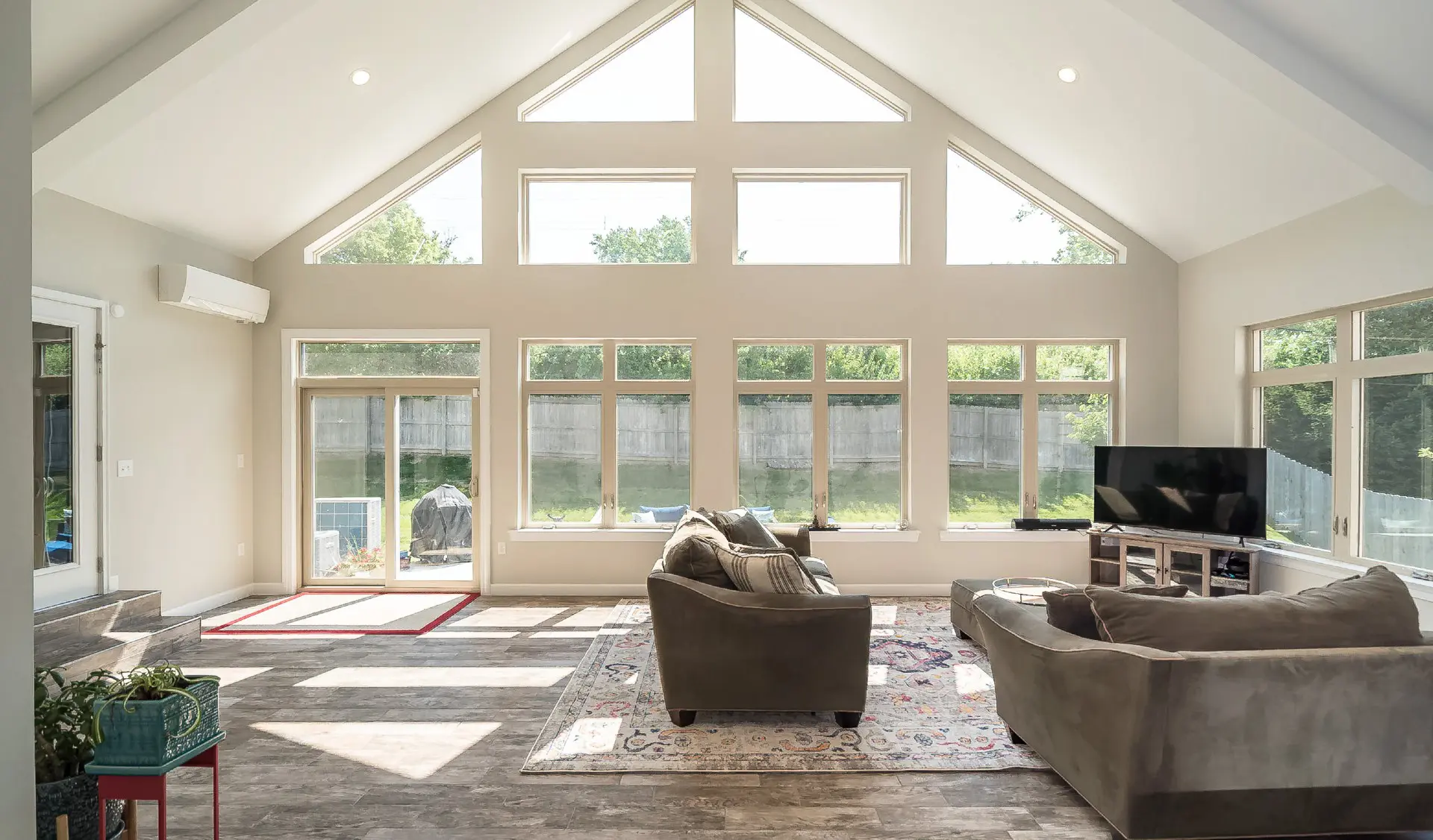
However, a house addition is one of the most complex and costly home improvement projects a person can undertake. It requires meticulous planning, legal compliance, and seamless integration with the existing structure. This guide provides essential, professional-level information on the critical considerations that must be addressed before breaking ground, ensuring your dream addition becomes a valuable asset rather than a logistical nightmare.
Phase 1: The Blueprint of Intent – Planning and Purpose
The most critical phase of any addition is defining its purpose and scale, which dictates everything from budget to engineering requirements.
1. Define the Purpose and Long-Term Need
Before hiring an architect, be crystal clear about the addition’s function. Is it a:
- Vertical Addition (Adding a floor): Most complex, involving structural analysis of the existing foundation and load-bearing walls.
- Horizontal Extension (Ground floor push-out): Common for expanding kitchens or living areas, requiring foundation work and roofline integration.
- Accessory Dwelling Unit (ADU): Separate structure or garage conversion, popular for rental income or multi-generational living.
Crucially, consider not just the current need (e.g., a baby’s room) but the long-term function (e.g., a teenager’s suite or future home office). Planning for adaptability maximizes the return on investment.
2. Mastering Zoning and Setback Requirements
This is the non-negotiable legal hurdle. Every piece of land is governed by local zoning laws that dictate the maximum permissible size, height, and location of any structure.
- Setbacks: These are the minimum distances required between your structure and the property lines (front, side, and rear). Your desired addition might physically fit on your lot but violate setback rules.
- Permitting: Start the permitting process early. Major additions require building permits, and a professional architect or contractor will be essential for creating plans that satisfy all local codes, including electrical, plumbing, and structural integrity. Ignoring this step can lead to costly demolition and fines.
Phase 2: Design and Integration – A Seamless Transition
The best additions look like they were always part of the original house, enhancing its character rather than jarring with it. Poor integration destroys aesthetic value.
3. Architectural Harmony and Roofline Flow
The new space must match the old in style, materials, and proportion.
- Aesthetic Continuity: Use the same siding, roofing materials (e.g., slate, asphalt shingles, cedar shakes), window styles, and exterior trim details as the original home. A brick addition bolted onto a clapboard house will look awkward and reduce home value.
- Roofline Integration: The roofline is perhaps the most challenging aspect. A complex addition should ideally blend the new roof into the existing structure to avoid awkward, water-trapping valleys and disproportionate peaks. This requires advanced framing and careful attention to flashing and drainage to prevent future leaks.
4. HVAC, Plumbing, and Electrical Capacity
Adding square footage automatically increases the demand on your home’s existing utility systems. This is where hidden costs often emerge.
- HVAC Assessment: Will your current furnace and air conditioning unit be powerful enough to heat and cool the extra space efficiently? If the existing system is already near capacity, you will need to upgrade the unit or install a separate zoned system for the addition, which is a major expense.
- Panel Capacity: Modern additions, especially kitchens and bathrooms, demand significant power. Your existing electrical panel (often 100 amps in older homes) may need to be upgraded to 200 amps to handle the new load, requiring extensive work and specific permits.
Phase 3: Financial Prudence and Contractor Selection
The financial scope of an addition requires meticulous budgeting, accounting for both foreseen and unforeseen expenses.
5. Budgeting for the Unexpected and Choosing Quality
Additions rarely adhere perfectly to the initial quote. Budgeting for contingencies is vital.
- Contingency Fund: Always reserve 15% to 20% of the total project cost for unforeseen expenses. This covers things like asbestos abatement discovered during demolition, unexpected foundation issues, or sudden material price spikes.
- Contractor Specialization: Choose a contractor who has demonstrable experience with additions, particularly ones that match your home’s age and style. Check references that specifically pertain to similar-sized additions, not just minor remodels. A contractor familiar with older home construction will anticipate issues that others might miss, saving time and money in the long run.
Conclusion
A house addition plan is a profound commitment to your current residence, offering significant rewards in space, comfort, and value. Success hinges on rigorous preparation: adhering to local zoning laws, achieving seamless architectural and utility integration, and maintaining a strict contingency budget. By approaching the process with clarity and professional guidance, you can transform your home into a perfectly tailored space without ever having to pack a moving box.