In the volatile real estate environment of 2026, the decision to remodel a property is rarely just about personal taste. For homeowners looking to sell, remodeling has become a strategic game of maximizing Return on Investment (ROI). The goal is to perform renovations that do not merely refresh a space but actively increase the market appeal and perceived value of the home in the eyes of prospective buyers.
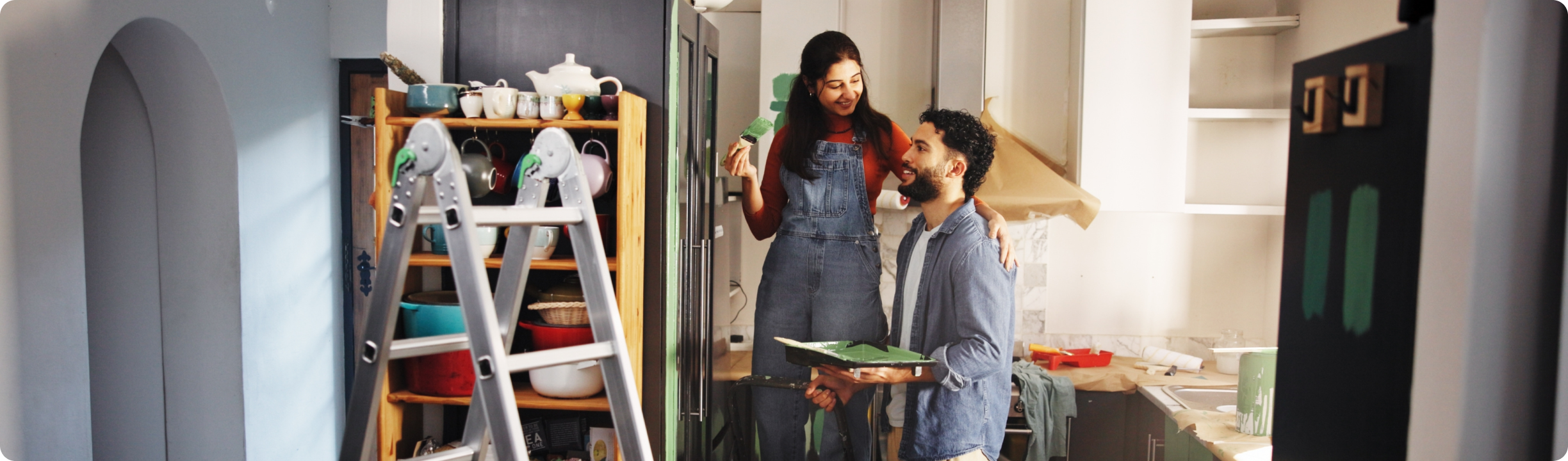
The challenge lies in knowing where to draw the line. Over-renovating can lead to “pricing yourself out of the neighborhood,” where the cost of the project far exceeds the market value of comparable homes in the area. Under-renovating, conversely, can leave your property sitting on the market as buyers choose more updated alternatives. To succeed, you must select remodeling projects that align with current buyer expectations and long-term trends.
The Economics of Targeted Remodeling
Before picking out paint swatches or browsing flooring samples, it is vital to understand the “Market Ceiling.” Every neighborhood has a maximum price point that buyers are willing to pay, regardless of how luxurious the finishes are. Your remodeling selections should aim to bring your home up to the neighborhood standard, rather than attempting to set a new, unattainable record.
Data suggests that “mid-range” renovations—such as updated kitchens, fresh bathrooms, and modern curb appeal—consistently provide a higher percentage of cost recovery than high-end, luxury overhauls. Buyers are looking for move-in ready homes where they can see themselves living immediately, without the need for additional construction.
High-ROI Remodeling Categories
When prioritizing your budget, focus on the areas that define the “first impression” and the “daily experience.”
Curb Appeal and Exterior Facade
The exterior is the first—and sometimes only—thing a buyer sees. A poorly maintained exterior signals a poorly maintained interior. Professional landscaping, a freshly painted front door, updated exterior lighting, and power-washing the siding are low-cost, high-impact improvements. In 2026, the integration of smart entry systems, such as video doorbells and keyless smart locks, is also highly sought after by tech-savvy buyers.
The Kitchen: Functionality Over Flash
Kitchens are the most scrutinized room in the house. However, you do not need a complete demolition to achieve a high ROI. “Kitchen Refreshing” is often more effective than a total remodel. This includes replacing cabinet hardware, installing modern, energy-efficient lighting, and swapping out dated countertops for durable, neutral-toned materials like quartz. Neutrality is key here; aggressive color choices or highly specific stylistic trends can alienate a large segment of your potential buyer pool.
Bathrooms: The Spa-Like Standard
Modern buyers expect bathrooms to be sanctuaries. Replacing outdated vanity mirrors, installing modern faucets, and refreshing the grout in tile floors are simple steps that make a significant difference. If you have the budget, swapping a dated bathtub-shower combination for a sleek, glass-enclosed walk-in shower is currently one of the most requested features in the residential market.
The Role of Energy Efficiency and Sustainability
As we move through 2026, energy efficiency is no longer a “nice-to-have” feature; it is a critical differentiator. Buyers are increasingly aware of the long-term utility costs associated with their investment. Remodeling selections that reduce these costs carry immense weight during negotiations.
Key upgrades include:
- High-Performance Insulation: Proper attic and wall insulation improve comfort and drastically reduce heating and cooling bills.
- Smart Thermostats and Energy Management Systems: These devices provide tangible proof of a home’s efficiency to prospective buyers.
- Low-Flow Plumbing Fixtures: These are inexpensive to install but contribute to a broader image of a home that is conscious of water conservation.
- Sustainable Flooring: Bamboo, cork, and high-quality laminate floors that mimic wood are popular due to their durability, eco-friendly footprint, and ease of maintenance.
Avoiding the “Personalization Trap”
The most significant mistake homeowners make is choosing remodeling materials that are too personal. While you might love a bold, patterned tile in the kitchen or a deeply saturated paint color in the bedroom, these choices can be significant turn-offs for buyers who have to factor in the cost of changing them.
When remodeling for the market, follow the “60-30-10” rule for color palettes: 60% neutral tones (walls, flooring), 30% secondary tones (furniture, window treatments), and 10% accent colors (cushions, art, accessories). This approach provides a blank canvas, allowing buyers to mentally “move in” to your home.
Conclusion
Remodeling for the housing market is a exercise in empathy. It requires you to step away from your own aesthetic preferences and view your home through the eyes of the person who will eventually buy it. By prioritizing high-traffic areas, focusing on energy efficiency, and maintaining a neutral, inviting aesthetic, you can significantly increase the speed and price of your home sale.
Remember, the best remodeling selections are those that reduce the buyer’s “mental work.” If they can walk into your house and see themselves living there without having to worry about immediate repairs or drastic cosmetic changes, you have successfully maximized the market value of your property.
Would you like me to help you draft a “Home Pre-Sale Checklist” that ranks these renovation projects based on your specific local neighborhood’s average home price?