The bathroom, and specifically the toilet area, is one of the most frequently used spaces in any home. Yet, it’s often the last to get an aesthetic or functional upgrade. A toilet remodel—which can range from a simple fixture replacement to a complete layout overhaul—is one of the most impactful home improvement projects you can undertake. It dramatically improves hygiene, enhances comfort, and delivers one of the highest returns on investment (ROI) when it comes time to sell.
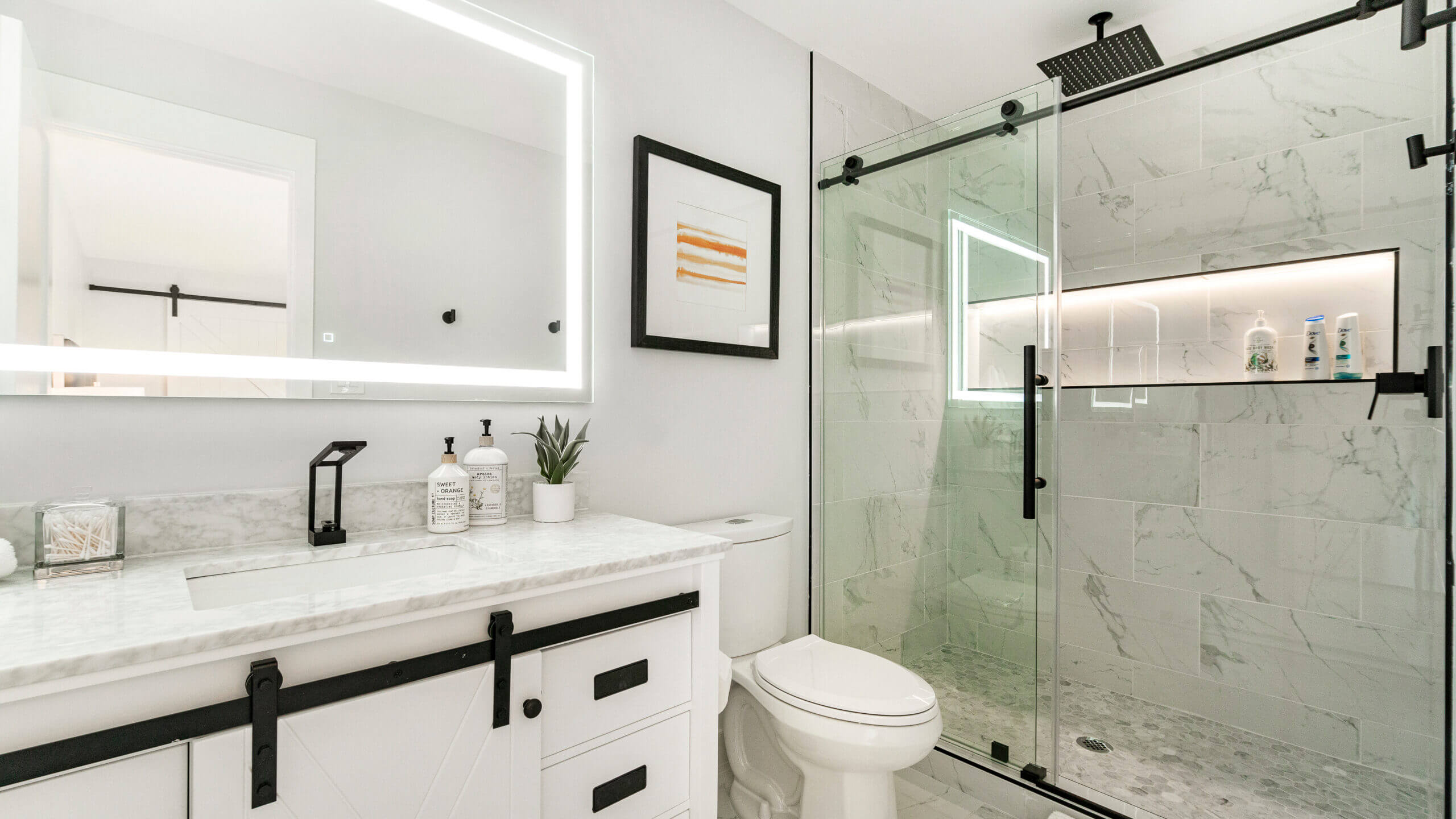
If you’re ready to move past outdated designs and upgrade to modern efficiency, here’s your essential guide to planning and executing a successful, future-proof toilet area remodel.
Why Remodel: Comfort, Efficiency, and Value
A bathroom remodel is not just about aesthetics; it’s about upgrading functionality and integrating modern technology that benefits your daily life.
Key Motivations for a Toilet Remodel:
- Boosted Home Value: Updated bathrooms are a major selling point. Buyers expect modern, water-efficient fixtures and clean design.
- Water Efficiency: Replacing old toilets with high-efficiency, low-flow models (1.28 gallons per flush or less) significantly reduces your monthly water bill. This is both a financial and environmental win.
- Enhanced Hygiene and Comfort: Upgrading to a modern toilet, especially one with advanced features like touchless flushing or an integrated bidet, dramatically improves cleanliness and user comfort.
- Fixing Structural Issues: A remodel is the perfect time to identify and fix underlying problems like hidden leaks, mold, or rotting subflooring before they become catastrophic.
Phase 1: Planning and Budgeting Smartly
Before picking out tile colors, you must establish a clear plan that prioritizes function and budget. The cost of a remodel can vary widely based on whether you are simply replacing a fixture or moving plumbing lines.
Essential Planning Checklist:
- Define the Scope: Are you just replacing the toilet and the surrounding floor, or are you gutting the entire bathroom? Keep plumbing lines in their current location to save thousands of dollars in labor costs.
- Set a Realistic Budget: Get quotes for labor (plumber, tile setter) and allocate funds for fixtures (toilet, vanity, lighting). Always reserve 10-15% of your budget for unexpected issues (e.g., discovering dry rot when pulling up the old toilet).
- Select High-ROI Finishes: Choose classic, neutral colors for permanent fixtures like tile and flooring. Use accessories, towels, and paint for pops of trendy color, as these are easy and inexpensive to change later.
Phase 2: Choosing Your Modern Fixture
The toilet itself is the centerpiece of this remodel. Modern toilets offer features that make them both more comfortable and easier to clean than their predecessors.
Modern Toilet Features to Consider:
| Feature | Description & Benefit |
| Skirted Design | A smooth base that hides the trapway’s curves, making the exterior surface much easier to wipe clean. Ideal for modern aesthetics. |
| Comfort Height | Taller toilets (17 to 19 inches) that mimic chair height. Ergonomic and easier on the knees and back, especially for older adults. |
| Dual Flush | Offers two flush options: a lighter flush for liquids and a full flush for solids, providing maximum water efficiency. |
| Integrated Bidet/Washlet | Toilets with built-in washing and drying functions. A major upgrade in hygiene and a growing feature trend in the North American market. |
| Powerful Flush Technology | Advanced flush mechanisms that use less water but deliver a more effective, cleaner rinse, reducing the need for double-flushing. |
Phase 3: Optimizing the Surrounding Space
A successful toilet remodel goes beyond the porcelain fixture. Focus on the nearby elements to ensure the space is functional, well-lit, and beautiful.
Design Elements for a Functional Bathroom:
- Exhaust Fan Ventilation: Upgrade to a powerful, quiet exhaust fan. Proper ventilation is crucial for preventing mold and mildew growth, protecting your new finishes, and ensuring healthy indoor air quality.
- Strategic Storage: Install smart storage solutions near the toilet, such as recessed wall niches or small, vertical shelving units, to keep essential items organized and off the floor.
- Durable Flooring: Choose waterproof and non-slip flooring, such as porcelain or ceramic tile. Grout lines should be minimized or sealed well to reduce maintenance and mold potential.
- Lighting: Ensure the area is well-lit. While task lighting is key at the vanity, a brighter, well-distributed light source in the toilet area contributes to a clean, spacious feel.
By focusing on these three phases—smart planning, modern fixture selection, and functional space optimization—your toilet remodel will deliver not just a beautiful new look, but lasting efficiency and a sanctuary of comfort and cleanliness for years to come.